How to Break Free from Sin Cycles and Finally Stay Free
Learning how to break free from sin cycles is not a matter of trying harder or wanting it more. According to Jesus in Luke 9:23, the path out of repeated patterns runs through dying to self: not improving the old version of you, but burying it entirely. If you have been stuck in the same loop and cannot figure out why nothing changes, this post is for you.
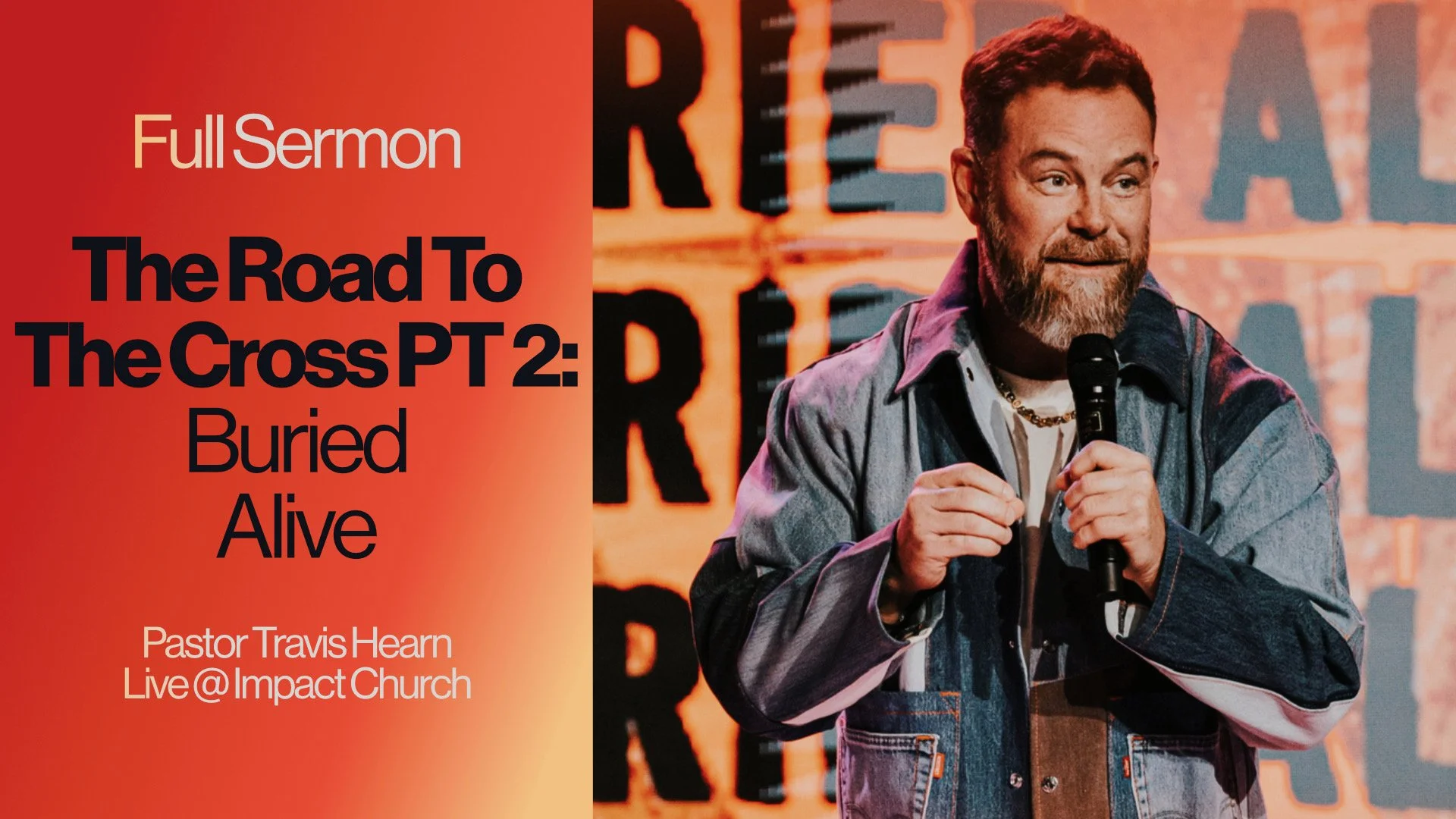
Most people who want to change are genuinely sincere about it. The problem is not effort; it is the approach. You can want to stop and still go back, because the old self has not died — it has only been inconvenienced. Pastor Travis Hearn described it plainly in a recent message at Impact Church in Scottsdale: "I go to church, but it's the same struggles. It's the same version of you, just with better language because nothing has actually died." That is the honest diagnosis this sermon delivers, and it is the starting point for understanding what real change actually requires.
What Does It Mean to Deny Yourself, and Why Does It Change Everything?
The first thing Jesus says in Luke 9:23 is the one most people quietly skip: deny yourself. Not just resist yourself, not just manage yourself, but deny. The word points to something more radical than willpower. It means releasing your own desires, your own plans, and your own instincts when they conflict with what God is asking of you. When you deny yourself, you stop treating your feelings and preferences as the final authority on what you do next.
Pastor Travis Hearn was direct about what denying yourself looks like in practice. It is not just about obvious moral failures. It is about the moments when you privately agree with what God is saying and then quietly negotiate your way out of obeying it. He named it plainly: "Real faith isn't just agreement. It's obedience." You can agree with Scripture about forgiveness, about generosity, about letting something go, and still refuse to do it. That gap between agreement and obedience is exactly where sin cycles live.
The reason deny yourself is the first condition of discipleship is that everything else depends on it. You cannot take up your cross and follow Jesus while you are still following your own lead. Denying yourself is the threshold. It is not a one-time decision; Luke 9:23 specifies that it happens daily, which means it is a posture, not a single prayer. Every morning you wake up carrying preferences that do not always align with God's, and every morning the invitation is the same: lay them down.
The honest step today is this: name the one thing you have agreed with God about but have not obeyed. Not to produce shame, but because you cannot bury what you refuse to look at.
What Is a Lukewarm Christian, and How Do You Know If That's You?
The most uncomfortable part of Pastor Travis Hearn's message is not about obvious sin; it is about the middle. Revelation 3 describes a lukewarm Christian as someone who is neither cold nor hot, present but not surrendered, spiritual on the surface but unchanged underneath. A lukewarm Christian is not someone who hates God. It is someone who has built a version of Christianity where Jesus is included but never actually in control.
Pastor Travis described the pattern with precision: "We've built our own version of Christianity where Jesus is included but never in control. We make God's word align with our world and call ourselves Christians." The result is a life that looks spiritual from the outside (church attendance, good language, occasional Bible reading) while the same old sinful nature runs the interior. The sin cycles do not stop because the self that drives them has never been asked to die. Being a lukewarm Christian is not a personality type; it is a structural problem where Jesus has been added to a life that has not been surrendered to him.
This matters because a lukewarm Christian is also one who has the least spiritual influence. Pastor Travis pointed out that true disciples (the kind who deny themselves, take up their cross, and follow) are the ones who actually change the world around them. The families, marriages, and communities shaped by that kind of faith look different. When men and women of God become lukewarm, he argued, everything downstream becomes lukewarm too.
The step today is honest self-assessment. Not "Do I go to church?" but "Is there anything Jesus has asked me to surrender that I am still holding onto?" That is the lukewarm Christian's real question.
Taking Up Your Cross Daily: What It Actually Costs to Follow Jesus
The phrase "taking up your cross" has been softened so many times it has lost its meaning. In Jesus's day, a person carrying a cross was walking toward a public death. It was visible, humiliating, and irreversible. When Jesus told his followers in Luke 9:23 to take up their cross daily, he was not describing a metaphor for minor inconvenience. He was describing a lifestyle of dying to self: publicly, consistently, and without negotiation.
Taking up your cross means there will be a spiritual crucifixion of the old self. Not a behavior adjustment, not a values update, but an execution of the version of you that lived for your own desires. Pastor Travis Hearn was direct: "Jesus didn't come to upgrade your life. He came to end your old one." That is the message underneath taking up your cross: not that following Jesus makes life harder for no reason, but that the old self and the new life cannot coexist. One of them has to die.
This is why water baptism matters as a concrete act. Pastor Travis described it as a public spiritual funeral, a moment where you get in front of your community and say, "The old version of me is buried. I am not going back." Every baptism in the New Testament happened immediately after faith was declared. The Ethiopian official in Acts 8:36 asked, "What can stand in the way of being baptized?" The Philippian jailer in Acts 16 was baptized the same night he believed. Taking up your cross is a daily posture, but baptism is the stake in the ground that says you are serious about it.
The step today is this: if you have never publicly declared your faith through water baptism, or if the baptism you received as an infant holds no personal memory or meaning for you, consider what it would look like to make it real. Taking up your cross starts with letting the old self actually be buried.
What Luke 9:23 Says About Breaking the Cycle for Good
Luke 9:23 is the anchor verse of this entire message: "Whoever wants to be my disciple must deny themselves and take up their cross daily and follow me." Three conditions. All three required. None of them optional if genuine discipleship is the goal.
The Apostle Paul's words in 2 Corinthians 5:17 give the other side of the same coin: "If anyone is in Christ, he is a new creation. Old things have passed away. Behold, all things have become new." That verse is not a promise that everything gets easier. It is a declaration that the old self (with its old appetites, old addictions, and old identities) is not supposed to survive the encounter with Christ.
Here is what dying to self and living new actually involves, according to the sermon:
1. Deny Your Own Flesh
What it means: Stop treating your desires and preferences as the final authority in your decisions.
Why it matters: Sin cycles persist when the self that drives them remains in charge. Denial is the first act of surrendering that control.
2. Take Up Your Cross
What it means: Accept that following Jesus will cost something, and carry that cost willingly and publicly.
Why it matters: Taking up your cross is not a metaphor for mild inconvenience; it is a daily act of dying to the old self so the new life can take root.
3. Follow Jesus Completely
What it means: Follow his way of living, including how he loved, gave, forgave, and served, not just the parts that are convenient.
Why it matters: Selective following produces a lukewarm Christian. Complete following produces a disciple whose life actually changes the people around them.
4. Bury the Old Identity
What it means: Stop going back to dig up what you have already buried. The old addictions, attitudes, and appetites belong in the ground.
Why it matters: As Pastor Travis Hearn said, "If nothing ever dies, nothing in you will actually ever live."
Finding Your Footing in Scottsdale and the Phoenix Valley
If you have been running the same cycle and quietly wondering whether real change is actually possible for someone like you, that question is worth taking seriously. It is not unique to any season of life or any ZIP code; it is simply what it feels like to be human and stuck. Impact Church at 13802 N Scottsdale Rd in North Scottsdale exists for people who are ready to stop going through the motions and start something real. Whether you are coming from Tempe, Chandler, Gilbert, Paradise Valley, or anywhere across Maricopa County, there is a place here where you do not have to have it together before you walk in.
You Were Not Made to Keep Going Back
The life Jesus described in Luke 9:23 is not comfortable or casual, but it is free. Dying to self is not the end of anything good; it is the beginning of a life that, as Pastor Travis Hearn put it, "you never imagined could even exist." The road forward is not about trying harder. It is about finally letting the old self stay buried and walking forward as someone genuinely new.
If something in this message stirred something real in you, do not let it sit. Submit a prayer request here and let someone at Impact Church pray with you this week. If you are ready to take a next step in person, plan your visit and come find out what Sundays look like at Impact Church in Scottsdale.
Frequently Asked Questions
-
To deny yourself means to release your own desires, instincts, and preferences as the final authority over your decisions and instead follow what God is asking of you. Jesus named it as the first condition of discipleship in Luke 9:23. It is not a single decision but a daily posture of surrender, choosing God's direction over your own especially when they conflict.
-
Repeated sin cycles usually continue because the self that drives them has never truly died; it has only been managed or inconvenienced. The biblical answer, as described in 2 Corinthians 5:17, is becoming a new creation rather than a better version of the old one. That shift requires honest surrender, not just stronger willpower, and often benefits from a public declaration like water baptism that marks a genuine turning point.
-
Taking up your cross daily means accepting that following Jesus involves a willingness to die to your own preferences and agendas consistently, not just once. In Jesus's time, carrying a cross was a public and irreversible act, and the imagery is intentional. It points to a lifestyle of dying to self that shows up in how you love, forgive, give, and make decisions, even when those choices cost you something.
-
Water baptism is a full immersion in water that symbolizes dying to the old self and rising to new life in Christ. It does not make you a Christian, but it publicly declares that you are one. For someone working to break free from sin cycles, baptism functions as a concrete stake in the ground: a moment where you say in front of your community that the old version of you is buried and you are not going back. Every baptism in the New Testament happened immediately, which is worth sitting with if you have been waiting.
-
Yes, and it is a significant one. The book of James notes that even demons believe and tremble. Genuine discipleship moves from belief into obedience: following Jesus's way of living, not just affirming his identity. Belief is the entry point; following is the daily commitment that shapes your decisions, relationships, and how you respond when obedience costs something.
Leave us a comment to share your favorite takeaway from the sermon and be sure to share the message with someone you care about.
To support this ministry and help us continue to reach people all around the world, please visit our Giving page.