Stop Bleeding on People
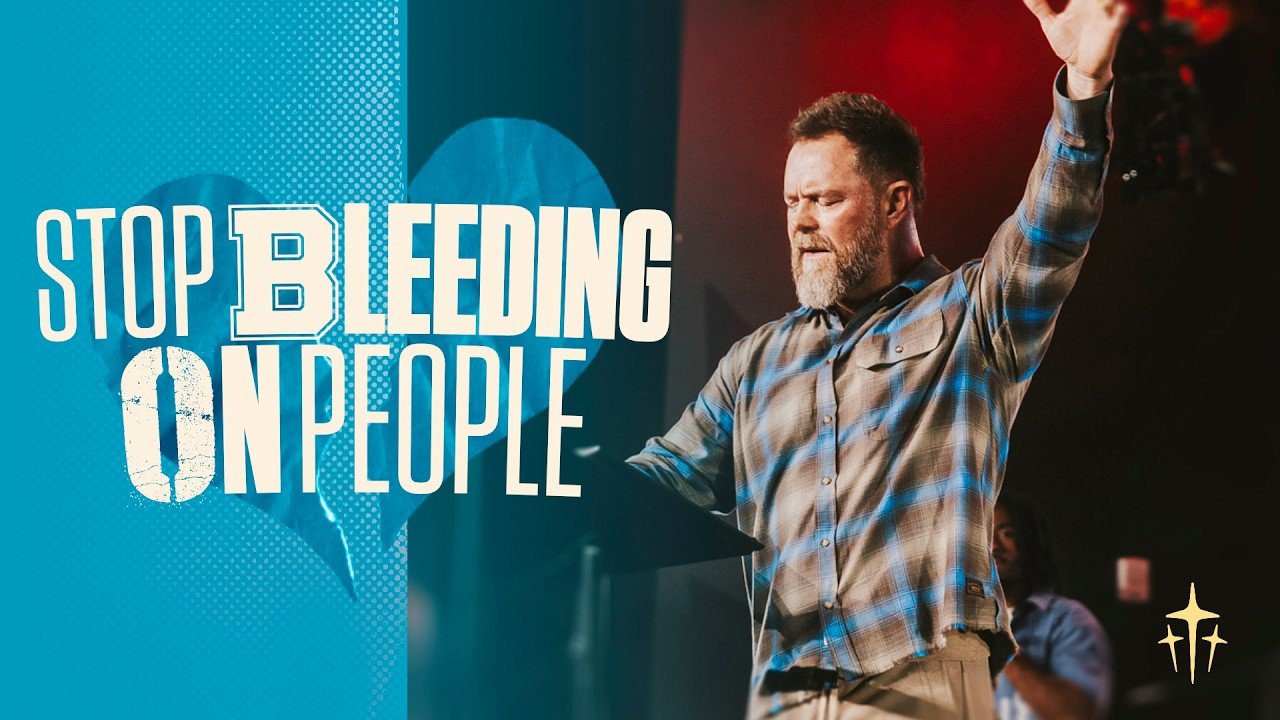
Why Unhealed Wounds Keep Hurting the People You Love Most
Unhealed wounds do not stay in the past where they happened. They travel into marriages, parenting, friendships, and every place you show up, until pain you never dealt with starts leaking onto people who never caused it. If you have ever wondered why you snap at the people you love most or feel offended by things that should not bother you, unhealed wounds are usually the reason underneath the reaction.
Pastor Travis Hearn preached this message as part two of the series My Wounds Won't Win at Impact Church, and it names something most people feel but rarely say out loud: hurt people hurt people, but healed people heal people. This post walks through three truths from that message. Unhealed wounds leak into every relationship you have, healing means surrendering your pain to God instead of hiding it, and when God heals your heart, that healing becomes something you can pass on instead of pain.
Why Do Hurt People Hurt People?
Pastor Travis Hearn started this message by pointing out something simple but painful: physical wounds stay in one place, but emotional wounds spread. A broken finger only hurts your finger, but a broken heart changes your conversations, your marriage, your parenting, and even your faith. That is the beginning of understanding why hurt people hurt people, because when your heart is hurt, you start seeing everything else through the lens of that hurt.
Unhealed wounds leak. One wounded person can wound an entire family. One bitter person can poison a workplace.
One insecure parent can raise insecure children without ever meaning to. Nobody wakes up planning to hurt someone they love, yet hurt people hurt people because pain that has never been dealt with does not stay quiet.
It shows up in the sharp tone, the sudden defensiveness, and the wall you build before anyone gets close enough to hurt you again. Here is a small, honest step you can take today. Notice the next time you feel offended, defensive, or quick to explode, and ask what wound might actually be talking instead of the person in front of you.
That single pause will not fix everything, but it starts to interrupt the pattern before hurt people hurt people again. Healed people heal people, and it always starts with one honest pause like this one.
How Do You Find Healing From Betrayal?
The clearest picture of healing from betrayal in this message comes from the Old Testament story of Joseph. Joseph's own brothers, driven by jealousy, stripped him of his coat, threw him into a pit, and sold him into slavery. He was falsely accused, forgotten in prison, and betrayed again and again by people who should have protected him.
If anyone had a right to stay bitter for the rest of his life, it was Joseph. Years later, Joseph rose to power in Egypt, and the very brothers who betrayed him came to him starving, needing food, with no idea he now held all the power over their lives.
Instead of using that power for revenge, Joseph told them the truth without pretending it never happened. He said they intended to harm him, but God intended it for good, and that single sentence is the difference between hiding a wound and healing from betrayal. Joseph named what happened instead of burying it.
If you are walking through your own version of healing from betrayal today, the small step is not forgetting what happened. It is naming it honestly to God, the way Joseph did, instead of pretending it does not still hurt.
How Do You Break Generational Cycles So Healed People Can Heal People?
Breaking generational cycles was the turning point of this message, and Pastor Travis Hearn made it personal by telling his own mother's story. His mother had endured deep betrayal in her marriage, and instead of pretending the pain away, she prayed for six months to forgive the people who hurt her.
That is what it looks like to actually break generational cycles instead of just talking about wanting to. She did not just survive her wound; she let God heal it so completely that she helped raise the child born out of that betrayal, made him cakes for his birthdays, and watched him become part of the family.
Breaking generational cycles is not about erasing history. It is about refusing to let your pain become the next generation's inheritance. Here is the real evidence that healing happened: it is not that someone stops hurting, it is that they stop hurting other people.
Healed people heal people, and that is how breaking generational cycles actually works: one healed heart at a time, refusing to pass down what was never meant to be carried forward.
The honest action step here is simple. Name one pattern in your family, whether it is anger, control, or distance, and ask God to break generational cycles with you instead of through you.
What Does Romans 12 Teach About Healing Your Unhealed Wounds?
Romans 12 calls believers to be transformed by the renewing of their mind, and Joseph's life is a picture of exactly that kind of transformation instead of a life stuck replaying its wounds. Below are three moments from his story that show how transformation actually happens when unhealed wounds are surrendered instead of hidden, the same shift that turns hurt people hurt people into healed people heal people.
1. The Pit
What Happened: Joseph's own brothers threw him into a pit and sold him into slavery out of jealousy.
What It Teaches: Betrayal from the people closest to you is real, and naming it honestly is the first step toward healing rather than denial.
2. The Prison
What Happened: Joseph was falsely accused and forgotten in prison for years despite doing nothing wrong.
What It Teaches: Unhealed wounds can multiply through injustice, but time in the pit does not have to define the rest of the story.
3. The Reunion
What Happened: Joseph forgave the brothers who betrayed him instead of using his power for revenge.
What It Teaches: Genuine healing shows up not in forgetting the past, but in refusing to let it write your future.
According to this message, a healed heart looks different from a wounded one in ways you can actually notice day to day:
You stop assuming the worst about people before they even speak.
You stop being easily offended by things that used to set you off.
You stop building walls around your heart before anyone gets close.
You stop making today's relationships pay for yesterday's pain.
This whole process is captured in Psalm 147:3, which says He heals the brokenhearted and binds up their wounds.
Where Can You Find This Kind of Healing Near You?
Carrying unhealed wounds while trying to hold together a marriage, raise children, or simply get through a hard week can feel like a lonely, invisible weight. That tiredness does not disappear just because life looks fine from the outside, and it rarely gets better without help. Impact Church exists across the Phoenix Valley, with campuses in North Scottsdale and South Scottsdale, so whether you call Tempe, Chandler, Gilbert, Paradise Valley, or anywhere else in Maricopa County home, there is a community nearby ready to walk through healing with you.
Your Wounds Do Not Have to Win
This message from Impact Church's My Wounds Won't Win series makes one truth impossible to miss: hurt people hurt people, but healed people heal people, and the difference between the two is not how much pain you experienced. It is whether you surrendered that pain to God or kept hiding it.
Joseph's story and Pastor Travis Hearn's own family story both point to the same hope: God can turn an open wound into a healed scar strong enough to help someone else.
You are welcome to bring every wound you have been carrying before God today, so reach out here and submit your prayer request.
When you are ready to see what healing in community looks like in person, plan your visit below and join us this Sunday at Impact Church.
Frequently Asked Questions
-
It means unresolved pain does not stay contained. Healed people heal people too, since unhealed pain often spills onto those who never caused it, whether that is a spouse, a child, or a close friend. The phrase names a pattern, not an excuse, since this message also calls people toward healing rather than staying stuck in it.
-
Start by noticing the moment you feel triggered, offended, or defensive, and ask what old wound might actually be reacting instead of the situation in front of you. From there, bring that wound honestly to God instead of hiding it, the way Joseph did in this message. Naming a wound is the first step toward no longer taking it out on someone else.
-
Healing starts with surrender, not suppression. Pastor Travis Hearn's mother prayed for months to forgive a painful betrayal until the bitterness genuinely lifted, which shows healing is often a process rather than a single moment. Prayer, honest confession, and support from other people can all be part of that process.
-
An open wound still bleeds when it is touched and easily gets reinfected by new hurt. A healed scar tells the same true story of what happened, but the pain no longer controls how you respond to life. This message teaches that God does not erase your story; He redeems it.
-
You can submit a prayer request directly through Impact Church's prayer page, where the team is ready to pray with you about anything you are carrying. Prayer is often where healing begins, and this is one of the simplest first steps you can take today.
Leave us a comment to share your favorite takeaway from the sermon and be sure to share the message with someone you care about.
To support this ministry and help us continue to reach people all around the world, please visit our Giving page.