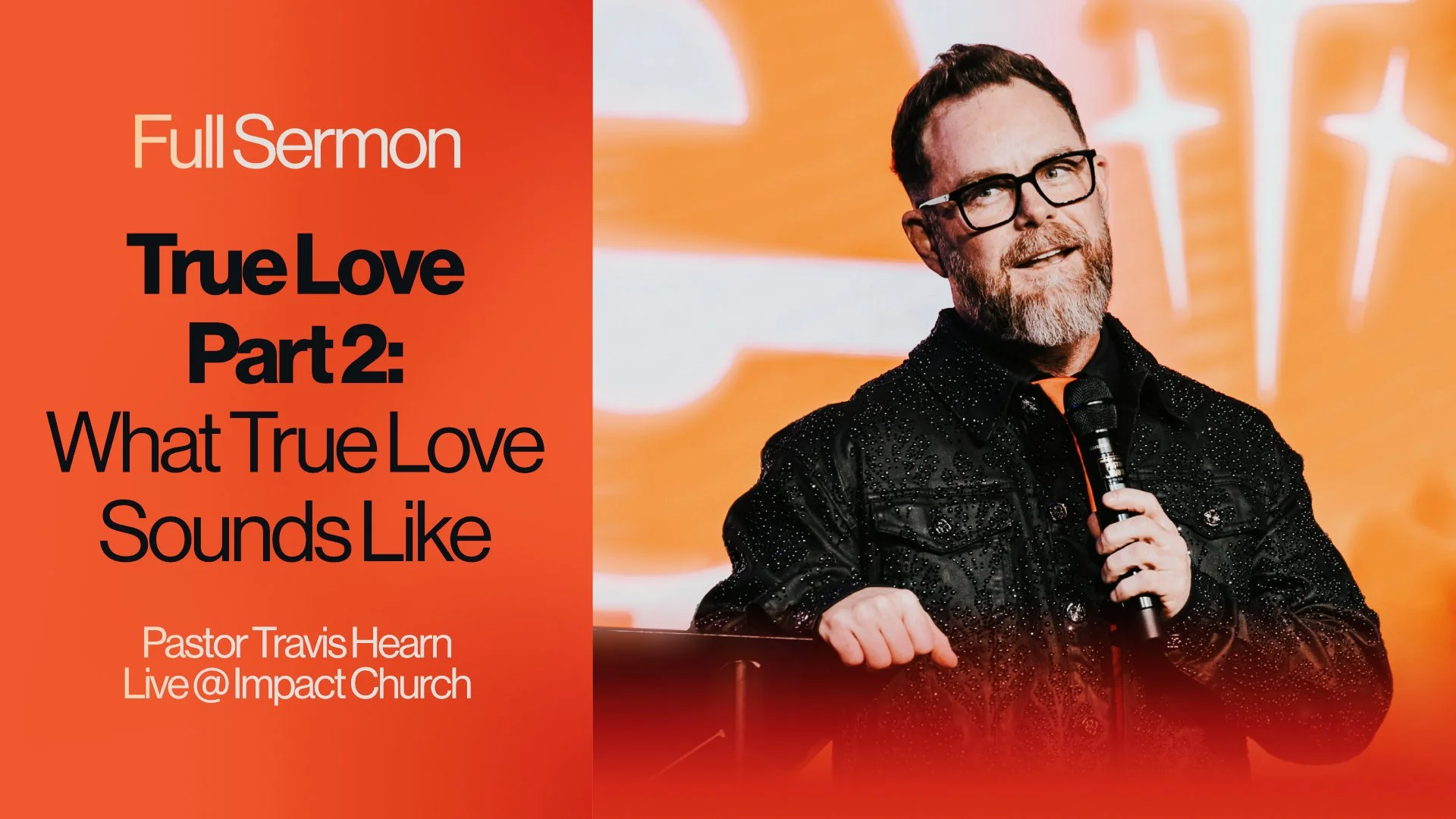
Biblical Communication in Relationships: Why Listening Could Save Your Marriage | Impact Church Scottsdale, greater Phoenix area
Biblical communication in relationships relies on the specific order found in James 1:19: be quick to listen, slow to speak, and slow to become angry. This divine framework ensures that partners prioritize understanding over reacting, preventing unmet expectations from becoming weaponized silence or destructive arguments. By following this biblical pattern, couples can transform conflict into connection and ensure their loved ones feel safe and heard.
What is the number one cause of divorce?
We often assume that marriages end because of financial stress, infidelity, or falling out of love. However, Pastor Travis Hearn reveals that the number one cause of divorce is actually poor communication.
More specifically, the root issue is unmet expectations that are never communicated and then silently weaponized against a spouse. When expectations regarding money, intimacy, or parenting are assumed rather than discussed, they create a breeding ground for resentment.
Most marriages don't fall apart because people stop loving each other. They fall apart because people stop feeling heard, understood, and safe. As Pastor Travis notes, everything else—whether it is money fights or emotional distance—is usually just a symptom of broken communication.
What does James 1:19 say about listening?
The solution to this communication crisis is found in the book of James. The brother of Jesus gives us a specific "order of operations" for relationships in James 1:19:
"Everyone should be quick to listen, slow to speak, and slow to become angry".
Notice the sequence. James starts with listening because true love listens first. If we reverse this order—if we are slow to listen and quick to speak—anger inevitably takes over the conversation.
Pastor Travis Hearn jokes that there is a reason God gave us two ears and only one mouth: we should probably listen twice as much as we talk. Listening is not just waiting for your turn to speak; it is an active act of love that says, "You matter, and I want to understand you".
How powerful are our words according to the Bible?
Once we have listened, we must be careful with how we respond. King Solomon, the wisest man who ever lived, wrote in Proverbs 18:21 that "The tongue has the power of life and death".
This means our words are like seeds. Once they are released, they take root and produce fruit. The power of words is so significant that many adults today are still broken by a sentence their father said to them when they were four years old.
Table: Fast Words vs. Slow Words
Feature,Fast Words (The World's Way),Slow Words (God's Way)
Motivation,Fueled by emotion and the need to vent.,Shaped by intention and care.
Focus,"""I need to get this off my chest.""","""I care about how this lands."""
Result,Can destroy trust in seconds.,"Prepares the ground for healing."
True love speaks slowly. It pauses long enough to ask: Is this true? Is this helpful? Is this the right time?
How do unmet expectations create conflict?
A major source of conflict is trying to meet a need that you don't actually understand. Pastor Travis Hearn shared a hilarious but vulnerable story from his early marriage to illustrate this.
When he was 22, a mentor told him that his wife, Pastor Natalie Hearn, would primarily need to "feel safe." Travis interpreted this physically—like he needed to be a bodyguard.
One day, while walking through their apartment complex, a car sped by and almost hit them. Travis thought, "This is my moment." He slammed a water jug into the side of the car to "protect" his wife. Two angry men jumped out, and Travis started yelling back, thinking he was being a hero. Instead of feeling safe, Natalie was terrified and distanced herself.
He was operating on an assumption. He thought safety meant aggression, but to her, safety meant peace. Because he didn't ask, his effort to love her actually pushed her away.
When Words Keep Getting in the Way
Every family carries some version of this tension, regardless of how put-together things look from the outside. The gap between the words we mean to say and the ones that actually come out can quietly erode the people we love most. If that resonates with you, Impact Church exists as a place to work through exactly that kind of thing, with honesty and without pressure. With campuses in North and South Scottsdale and a congregation that draws from across the Valley, including Tempe, Chandler, Gilbert, and Paradise Valley, there is likely a location and a service time that fits your life. You are welcome to come as you are.
Frequently Asked Questions
-
The Bible provides a clear template for Biblical communication in relationships in James 1:19: "Everyone should be quick to listen, slow to speak, and slow to become angry." This verse teaches that listening must always precede speaking to avoid destructive anger.
-
Unmet expectations are often the "silent killers" of relationships. When needs regarding finances, intimacy, or parenting are assumed but never communicated, they eventually turn into resentment and weaponized silence, which is a leading cause of divorce.
-
Impact Church Scottsdale, led by Pastor Travis Hearn, offers biblical teaching on relationships and marriage. Through series like "True Love," families can find practical tools and community support to restore broken communication and build covenant relationships.
Leave us a comment to share your favorite takeaway from the sermon and be sure to share the message with someone you care about.
To support this ministry and help us continue to reach people all around the world, please visit our Giving page.